
 Start Read
Recommend
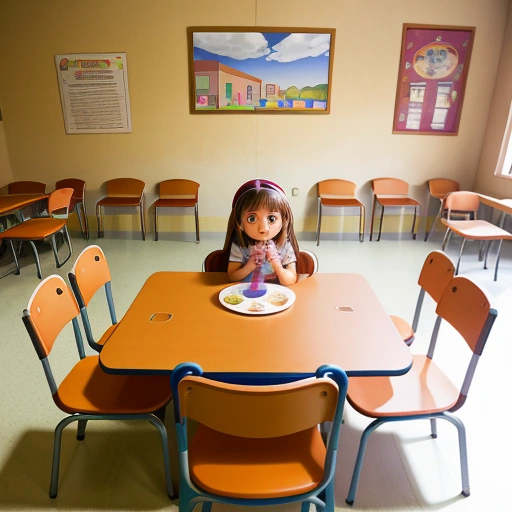
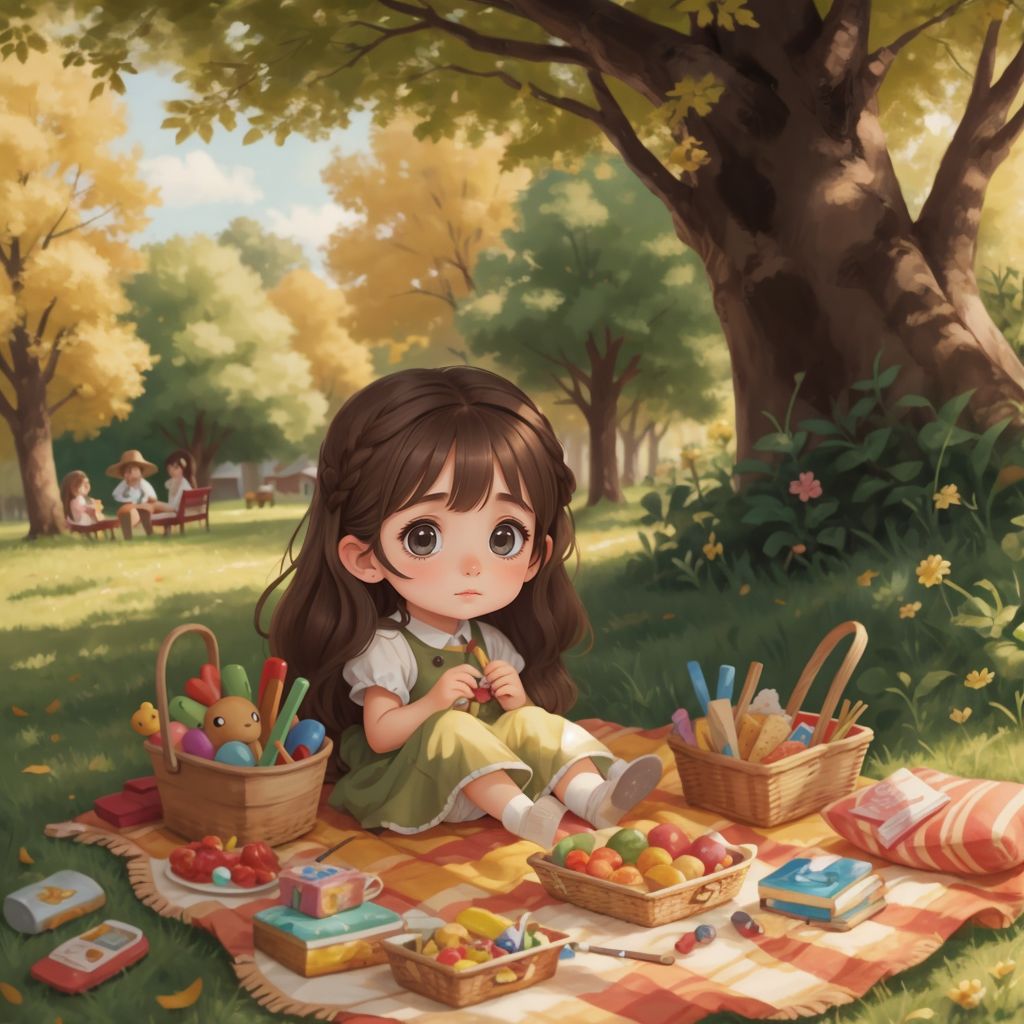
She is new at the Boys & Girls Club of the Gila Valley and she needs to make friends but she is shy. By the second week she’s made tons of friends.

Title: "Benito the Border Collie: The Picky Eater" "Benito the Border Collie: The Picky Eater" is a charming and humorous children's story that tackles the topic of picky eating in a lighthearted and relatable way. The story revolves around Benito, a lovable Border Collie with a very peculiar eating habit: he refuses to eat his dog food and craves human food instead. Written with a delightful rhythm and rhyme, this book captures the essence of childhood food adventures. The illustrations are bright and engaging, depicting Benito's escapades as he turns up his nose at doggy kibble and dreams of the delicious human meals he observes his family eating. The tale is not just about Benito's food preferences; it's a journey of understanding and compromise. Benito's family, initially perplexed by his odd behavior, learns to appreciate the uniqueness of their furry friend's tastes. Meanwhile, Benito realizes the importance of a balanced diet, even for a dog with gourmet dreams.

1. The Clever Answer Title: The Clever Answer Characters: Emperor Akbar, Birbal, Courtiers Setting: Akbar’s Royal Court Narrator: So, my little friends, one fine morning, Akbar was sitting on his grand throne. He looked around at his courtiers, and an idea popped. He wanted to test Birbal’s intelligence. So, guess what he did? He asked a very tricky question! [Pause for children to guess the question] Akbar: "Birbal, tell me-how many crows are in my kingdom?" Akbar: "Birbal, tell me—how many crows are in my kingdom?" Narrator: Oh dear! That’s an impossible question. The courtiers gasped. How could anyone count all the crows in the kingdom? But Birbal, oh, he didn’t even blink! Birbal: "Your Majesty, there are exactly fifty-three thousand three hundred and forty-two crows in your kingdom." [Simplified to: "Your Majesty, there are many, many crows in your kingdom."] Akbar: "And what if I find more crows than that?" Birbal: "Then, Your Majesty, some crows have come to visit their relatives here." Akbar: "And if there are fewer?" Birbal: "That simply means some of our crows have gone on vacation to another kingdom!" Narrator: The entire court erupted in laughter. Akbar clapped his hands and said, "Birbal, you never fail to amuse me with your intelligence. Well, done!" Moral: Intelligence and presence of mind can help you find answers to even the trickiest questions. Takeaways: • Quick thinking can turn a problematic situation into an opportunity. • Humor and wit can defuse tension and win admiration. • Smart solutions do not always need complex answers.

Illustrating different seasons with happy children playing

Jasmine, and her brother Adam, gazed at the crescent moon. 'It's Ramadan!' exclaimed Jasmine. 'Let's find special things to be thankful for,' Adam chimed in."

Lily, nervous about starting at a new school in a new town, misses her old friends and worries about making new ones. The night before her first day, Lily and her mom pray for courage and guidance. On her first day, Lily meets her teacher, Mrs. Green, and new classmates. During recess, she wants to join a soccer game but feels scared. Whispering a prayer for courage, she bravely asks to join and is warmly welcomed by the kids. She makes new friends, especially Emma, who invites her to lunch. At home, Lily’s dad shares Proverbs 3:5, "Trust in the Lord with all your heart," which boosts her confidence. The next day, she notices Jack sitting alone and invites him to play, spreading kindness and joy. Through these moments, Lily learns that trusting God gives her bravery and kindness. She prays nightly, grateful for God’s guidance and love. By the book’s end, Lily realizes that with faith, she can overcome any challenge, secure in God’s enduring love.

book should be designed for children ages 4 to 6 and tell the story of a young Indigenous child from the Amazon Rainforest named Tainá (or another culturally appropriate name). Tainá lives in harmony with nature and learns valuable lessons about protecting the environment in her daily life. Through engaging storytelling, simple language, and vivid descriptions, the book should follow Tainá as she faces small challenges—helping animals, planting trees, keeping rivers clean, and understanding the importance of the rainforest. The story should be continuous, maintaining a warm and adventurous tone that educates children about environmental care while keeping them entertained. There should be no interruptions, summaries, or breaks—just a complete, engaging book with a satisfying and inspiring ending where Tainá realizes her role as a young guardian of nature. Make sure the storytelling is immersive, fun, and easy to understand for young readers.

Linda is Betty's mother. Linda explains to Betty about the dignity of people. Every person deserves a decent life and gives her many examples of what is dignified and undeserved. He also tells her that it is worth helping people and being noble, etc. Dignity isn't a privilege.

The true abolition of slavery was achieved when the Thirteenth Amendment was ratified on December 6, 1865. The first section of the Amendment declares: “Neither slavery nor involuntary servitude, except as a punishment for crime whereof the party shall have been duly convicted, shall exist within the United States, or any place subject to their jurisdiction.” The Amendment is unique in the Constitution because it bars every person from holding slaves or engaging in other forms of involuntary servitude, whereas most constitutional provisions only constrain or regulate the government. It is unique in another way as well: although the Constitution obliquely acknowledged and accommodated slavery in its original text, the Thirteenth Amendment was the first explicit mention of slavery in the Constitution. The most immediate impact of the Thirteenth Amendment was to end chattel slavery as it was practiced in the southern United States.

Story: Mia the Blue Morpho loves exploring the Magic Meadow. One sunny day, Mia discovers a special spot under a big oak tree where everything feels calm and peaceful. Meditation Exercise: Find Your Spot: Sit comfortably in a quiet place, just like Mia under the oak tree. Close Your Eyes: Take a deep breath in and slowly let it out. Imagine: An illustration of Mia sitting under the oak tree in the Magic Meadow, surrounded by flowers and butterflies. Breathe: Take five slow, deep breaths, in and out. Reflection: How do you feel after visiting the Magic Meadow with Mia? Remember, you can go back to this peaceful place anytime you want.
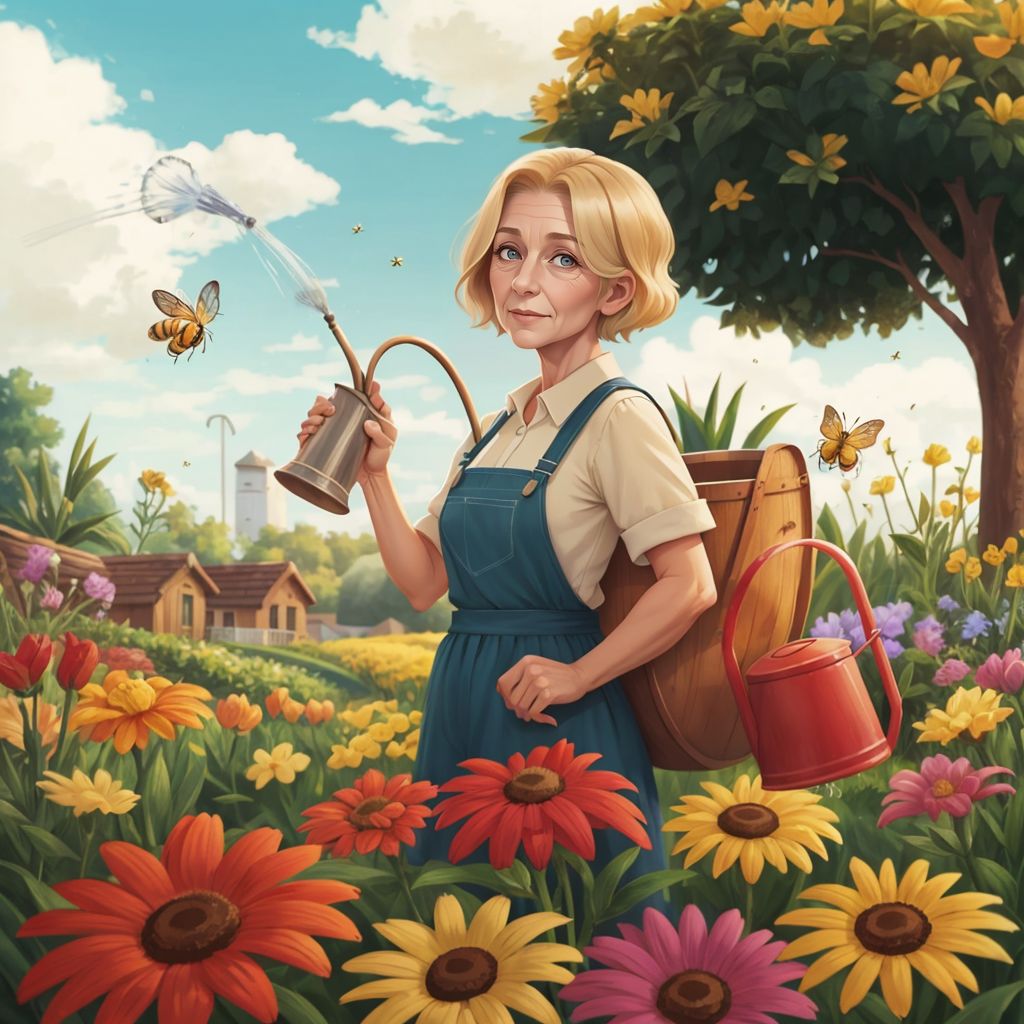
Thea having great time in her garden.
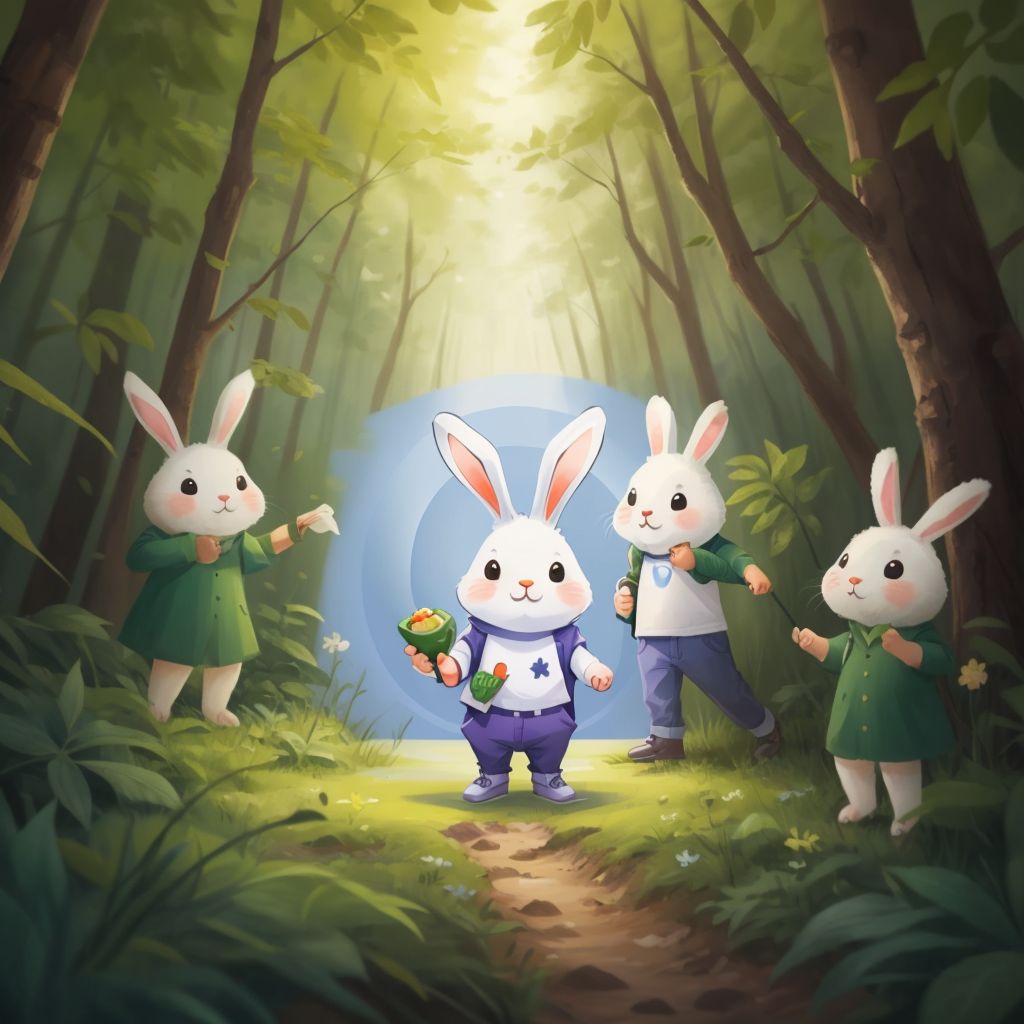
Hoppy the Bunny organizes an Easter egg hunt in the forest. Children join the fun as they search for colorful eggs and learn about the tradition of Easter with Hoppy.
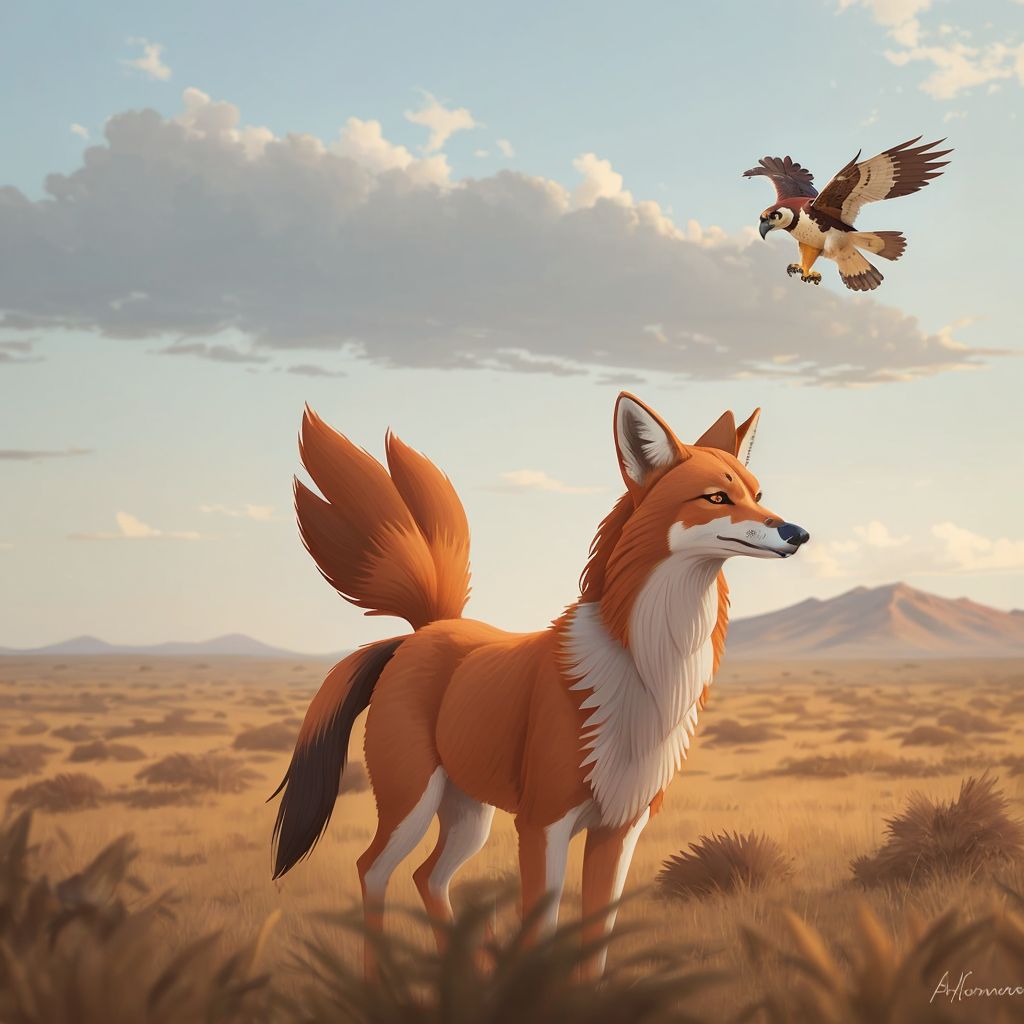
In the vast grasslands of South America, where the sun shines brightly and the wind whispers through tall grasses, lived a curious creature called the maned wolf. With his reddish-brown coat and bushy tail that looked like a flame, he was a sight to behold. His name came from the mane of fur around his neck, which made him look a little like a fox and a little like a wolf. One day, as the maned wolf was exploring the grasslands, he heard a piercing cry. Looking up, he saw a magnificent bird soaring high above. It was an aplomado falcon, with sharp eyes and powerful wings. The falcon swooped down towards the ground, its claws outstretched. The maned wolf watched with wide eyes as the falcon landed near a small burrow. With a quick flick of its wings, the falcon pounced on something hidden inside. It emerged moments later, carrying a small rodent in its beak. The maned wolf was intrigued. He had never seen a falcon hunt before. As the falcon flew away, the maned wolf approached the burrow. He sniffed around curiously, until he caught a whiff of something delicious. It was the rodent that the falcon had caught! The maned wolf realized that the falcon was a skilled hunter, and that its prey could be a tasty meal for him. From that day on, the maned wolf and the falcon became friends. The maned wolf would watch as the falcon hunted, and then he would scavenge for any leftovers. In return, the maned wolf would warn the falcon of any danger lurking in the tall grasses. Their friendship was a great benefit to both animals. The maned wolf had a steady supply of food, while the falcon knew that it could rely on the maned wolf to keep watch. And so, they lived happily ever after, a reminder that even the most unlikely creatures can form the most beautiful friendships.

sdfsdfsdf
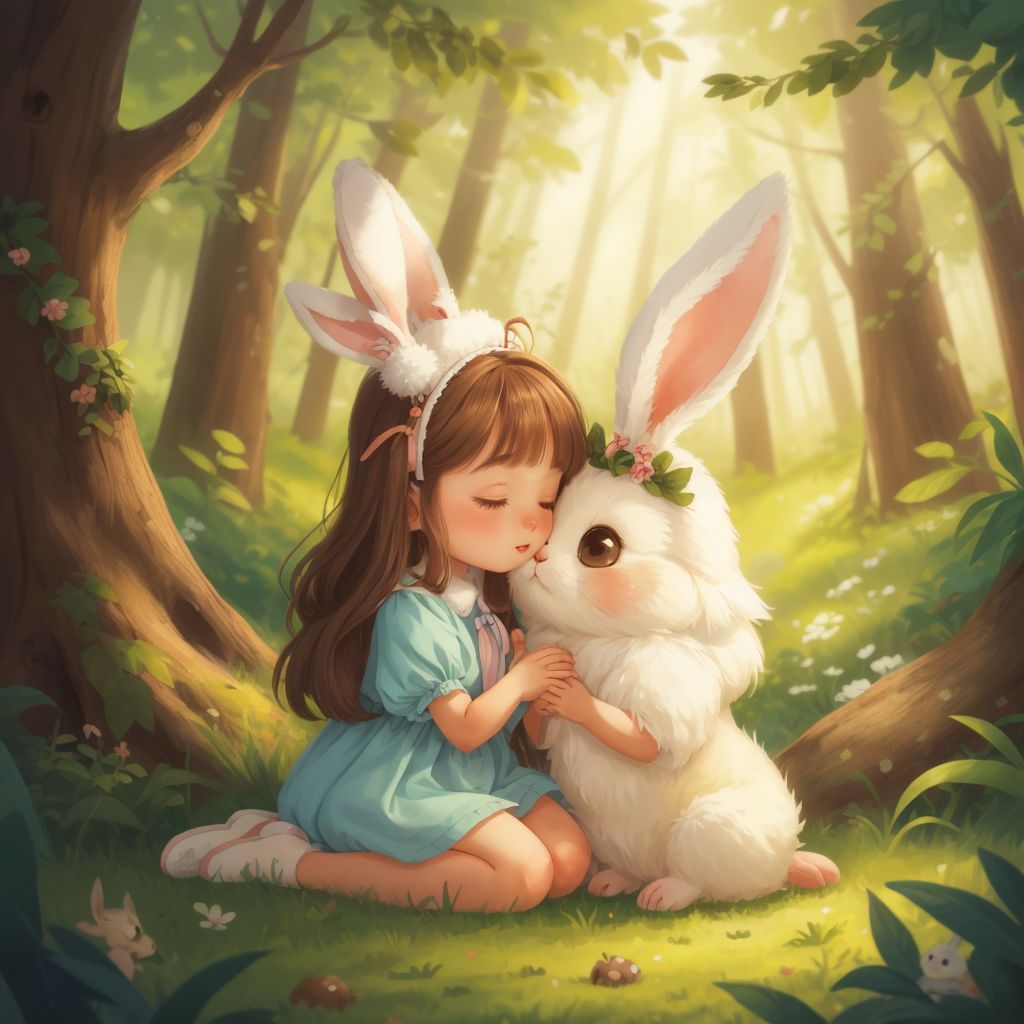
*Жил-был в лесу зайчонок Лео, которого каждый вечер перед сном целовала мама. *И каждый раз, когда мама целовала его, на небе появлялась новая звезда. *"Мама, почему звезды мерцают?" - спрашивал Лео. *"Это потому, что в каждом поцелуе - частичка магии, Лео. Они светят для нас, чтобы помочь нам во время приключений", - улыбалась мама. *Звезды мерцали ярко и тепло, словно маленькие фонарики на небесном своде. И вместе они с мамой смотрели на небо, устроившись на уютном пледе под большим дубом *Лео обнял маму чуть крепче и улыбнулся. "Спасибо, мама, за все твои поцелуи, которые становятся звездами».

Ein Abenteuer in einem imaginären Schloss
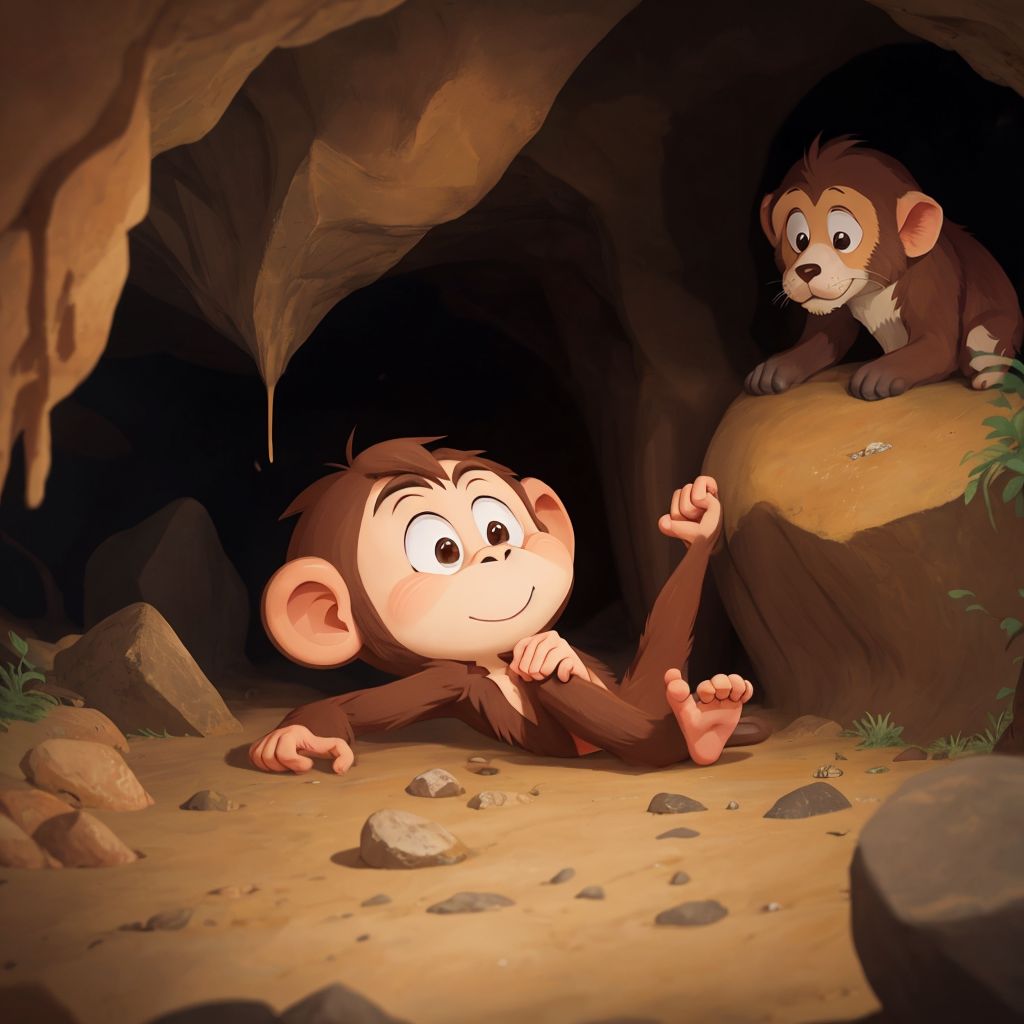
1. Unggoy na nasa Kweba na nakahiga, kinausap ng Kuneho 2. Maganda ang araw sa Forest, maaliwalas kasama ng mga animals 3. Nagugutom si Unggoy, naghahanap ng makakain. 4. Nagnakaw ito at kinain ang pagkain ng Kuneho 5. Nakita ng Rabit na kinakain ng Unggoy ang kanyang pagkain ( Carrots) 6. Galit ang mukha ng rabbit habang kinakausap si Unggoy.
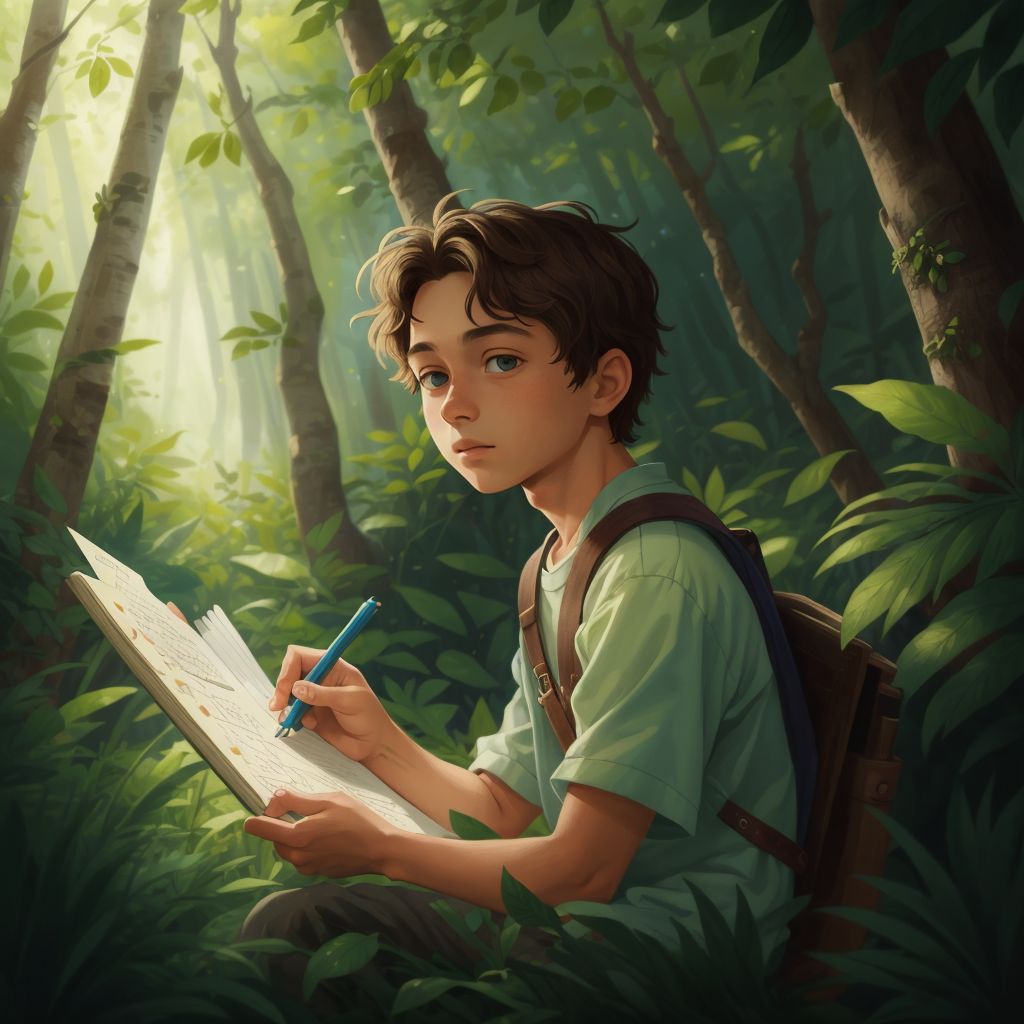
Leonardo da Vinci's life and works.
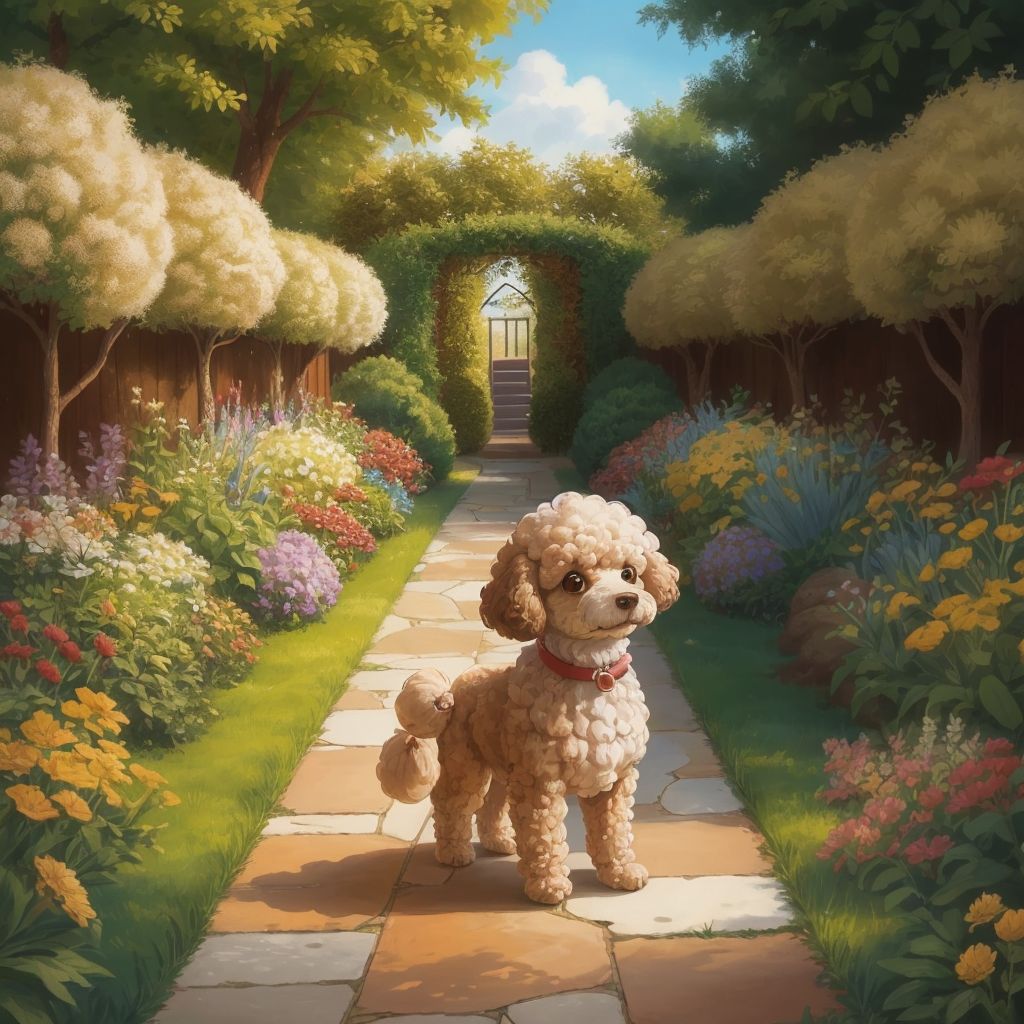
Fluffy a toy poodle breed dog goes on a colour adventure. He finds a colourful path. Every step takes him to a different coloured path and also to things that belong to that colour. For example, When he takes red path, he finds red apples on his path and so on. In this way he wags his tail and learns different colours
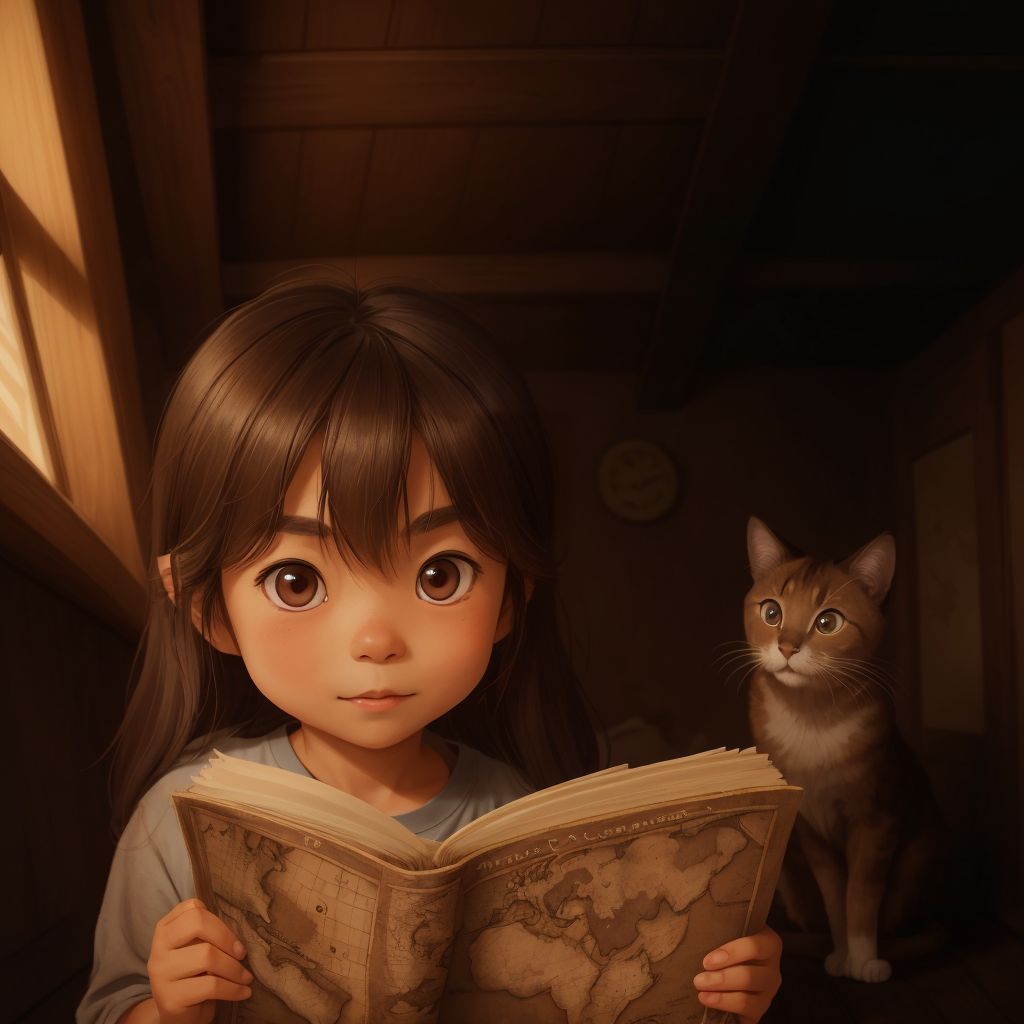
The Adventures of Milo and Luna: A Journey to the Enchanted Forest