
 Start Read
Recommend

2nd Grade Version To understand why the American Revolution happened, we need to look back at the years from 1754 to 1763. During this time, the British and the French were fighting in a war on land that is now part of the United States. This war is called the French and Indian War. The British wanted to control more land, and the French wanted to keep their land. Many Native Americans chose to help either the British or the French during this war. In 1759, British soldiers went to a city called Québec in Canada and won a big battle there. They took over another city called Montréal the next year. After that, there weren't many big battles left between the British and the French in North America. The fighting mostly stopped by 1763 when a peace agreement called the Treaty of Paris was signed. Why did the British start taxing the colonists, and why did this make them mad? The British government made laws and taxes that affected the colonists. Many colonists felt proud to be British, but they believed they had rights that the king should protect. They didn't like the Stamp Act, which was a new tax. In Virginia, some leaders, called the House of Burgesses, said that the British Parliament shouldn’t be taxing them. In 1765, the prime minister of Britain was George Grenville. He created the Stamp Act because he needed money to pay for British soldiers in North America. He thought the colonists should help pay for these soldiers who were protecting them. At first, the British leaders were surprised by how upset the colonists were. Grenville did not listen to their complaints and was eventually replaced in 1766. A leader named George Washington fought in the French and Indian War along with the British. He helped lead soldiers against the French. He became a well-known leader and was even elected to help make laws in Virginia.
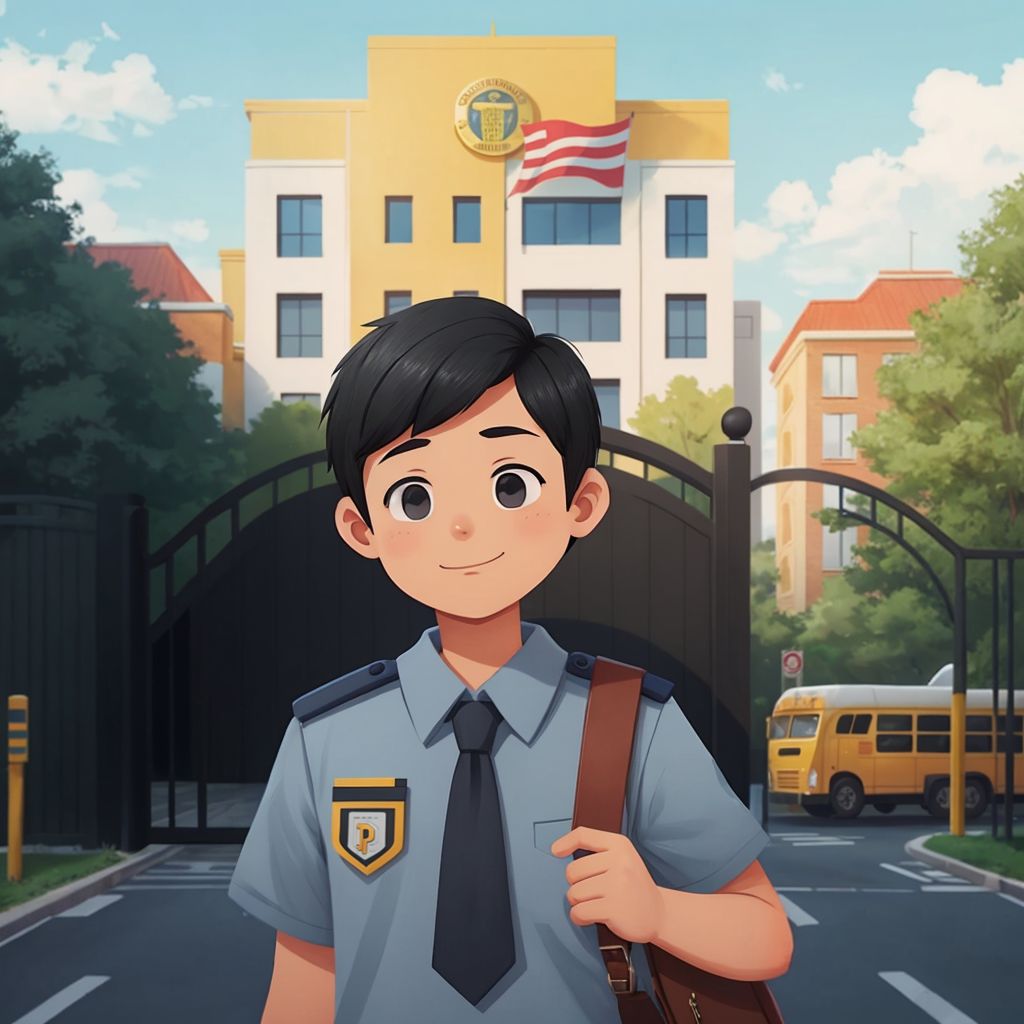
Early morning, the security guard in uniform, holding a set of keys, walks into the school gate. The security guard stands at the gate, greeting students as they arrive at school. The security guard checks around the school grounds, inspecting gates and ensuring safety. The security guard helps a student find a dropped backpack. The security guard stands at the gate, monitoring as students leave after school. The security guard smiles as students leave, then closes the school gate.
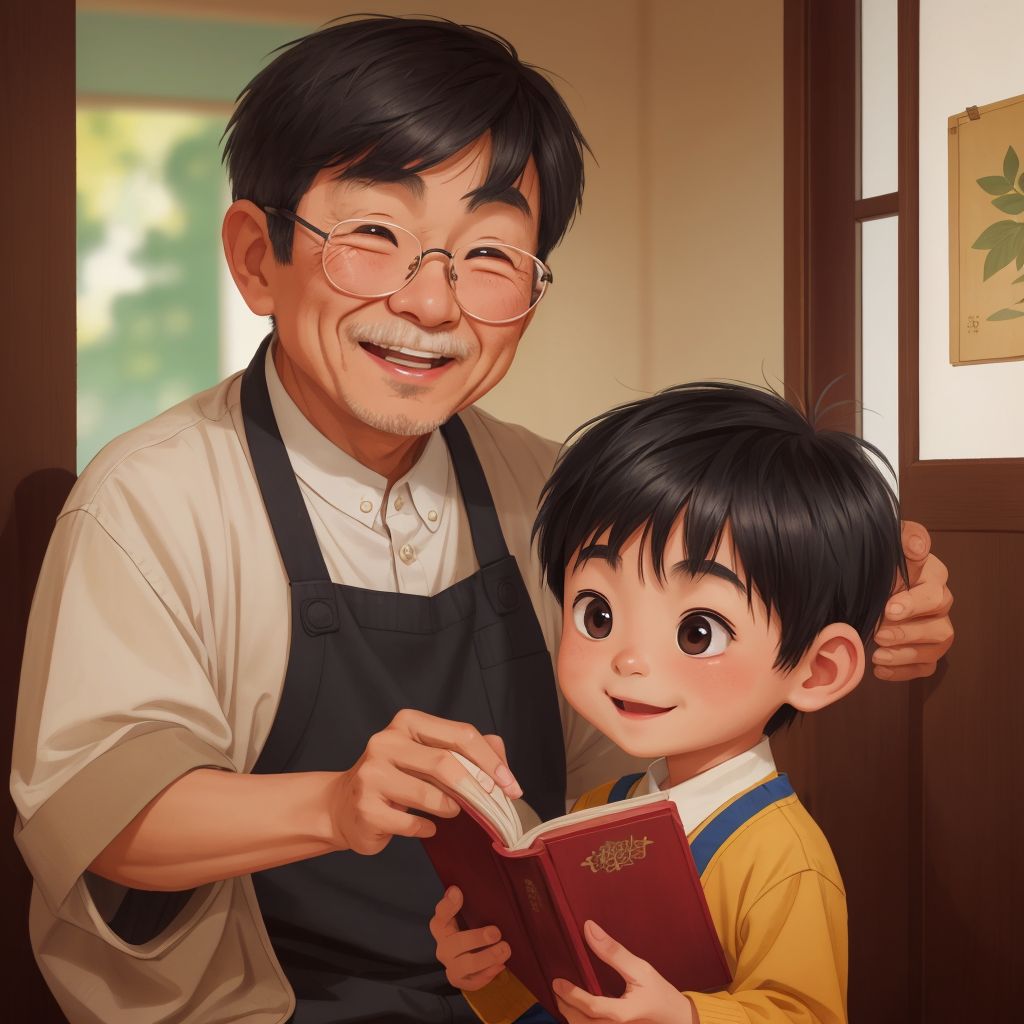
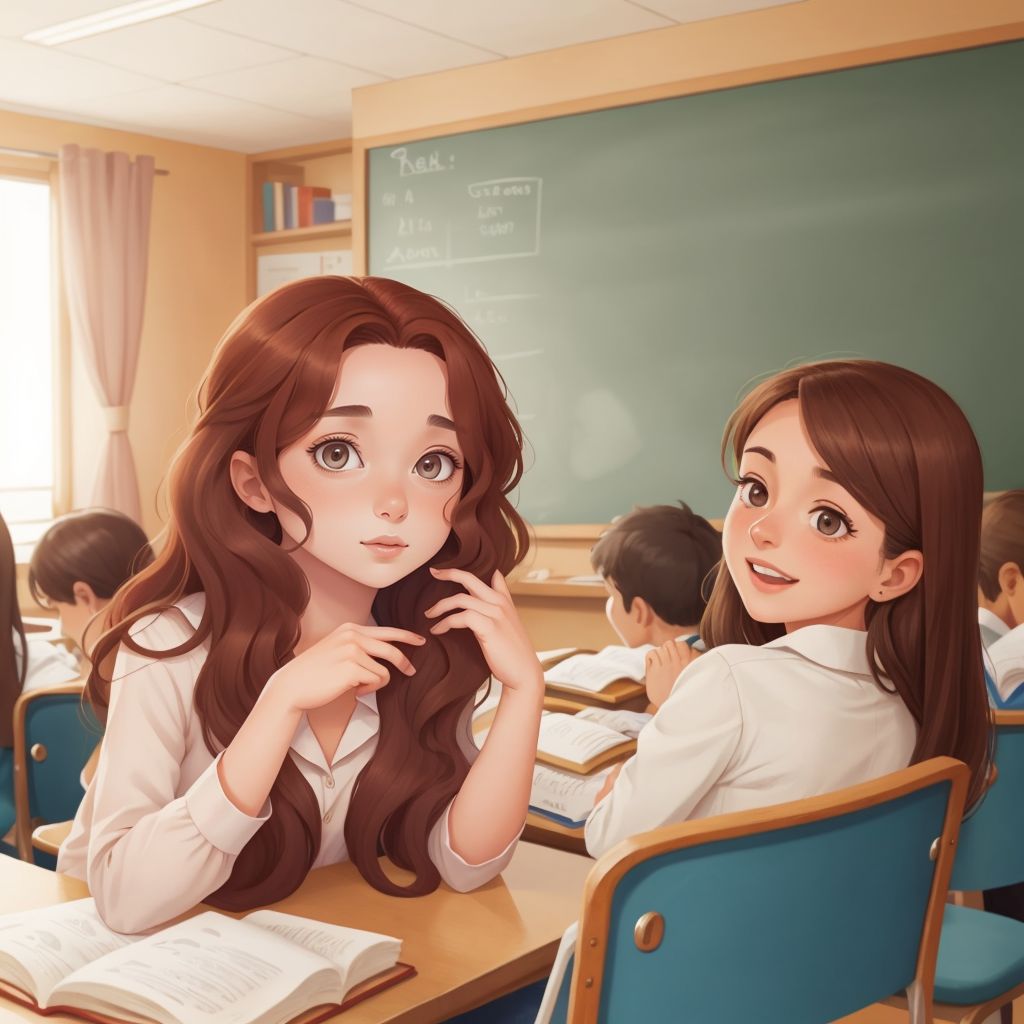
Xiaoxiao is reading a book while grandpa is talking to her. She didn't pay attention.

This is Peddy, and she is excited for her first day of school. Peddy kissed her mom and dad goodbye and walked out the door. As she happily sang, she made sure to walk on the side of the road where she could see approaching vehicles. On her way, Peddy saw Ian using his phone while walking and gasped, "Oh no!" She quickly approached Ian and said, "Good morning, Ian! Don’t use your phone while walking; it’s dangerous." Ian quickly put his phone away. "Oh, hi! Thank you for telling me, Peddy. Come on, let’s walk together!" As they continued walking, Peddy noticed white lines painted across the road. "Ian, we should walk on the pedestrian lane. Pedestrian lanes are designed to help us cross the road safely." They were about to cross when Peddy saw a traffic light ahead with three different colors. She stopped at the sidewalk. Ian looked at Peddy in confusion. "Why did you stop, Peddy? Come on! There are no cars anymore; we can cross the road." Peddy shook her head. "No, Ian. The traffic light is green, which means vehicles can go. Red means stop, and yellow means slow down." Ian then noticed the pedestrian signal. "Does the hand palm sign mean we should wait and not cross yet?" Peddy nodded. "Yes! And look, now the walking man signal has lit up. That means we can cross safely. That’s a pedestrian signal!" Ian was about to step forward, but Peddy stopped him again. "Before crossing, we should always follow the Stop, Look, and Listen rule. Stop before stepping onto the road. Look for approaching vehicles. Sometimes you can’t see them, so listen carefully for any nearby cars. If it’s all clear, then we can cross." Ian nodded, understanding the safety rules. Finally, Peddy and Ian walked across the pedestrian lane safely. They greeted the school guard happily, feeling secure and ready for their first day of school.

A book to teach children to start speaking English and developing English speaking skills.

Many millennia ago, on an unknown planet, there lived a little girl named Esmarelda. She lived with her parents in a small cottage, far away from the city, surrounded by a nearby forest, many valleys and green pastures. Esmarelda’s mother had a large vegetable and flower garden in the backyard of their home. There were cows and horses that lived on the green pasture close by. There was a forest too, that was right next to the pasture.
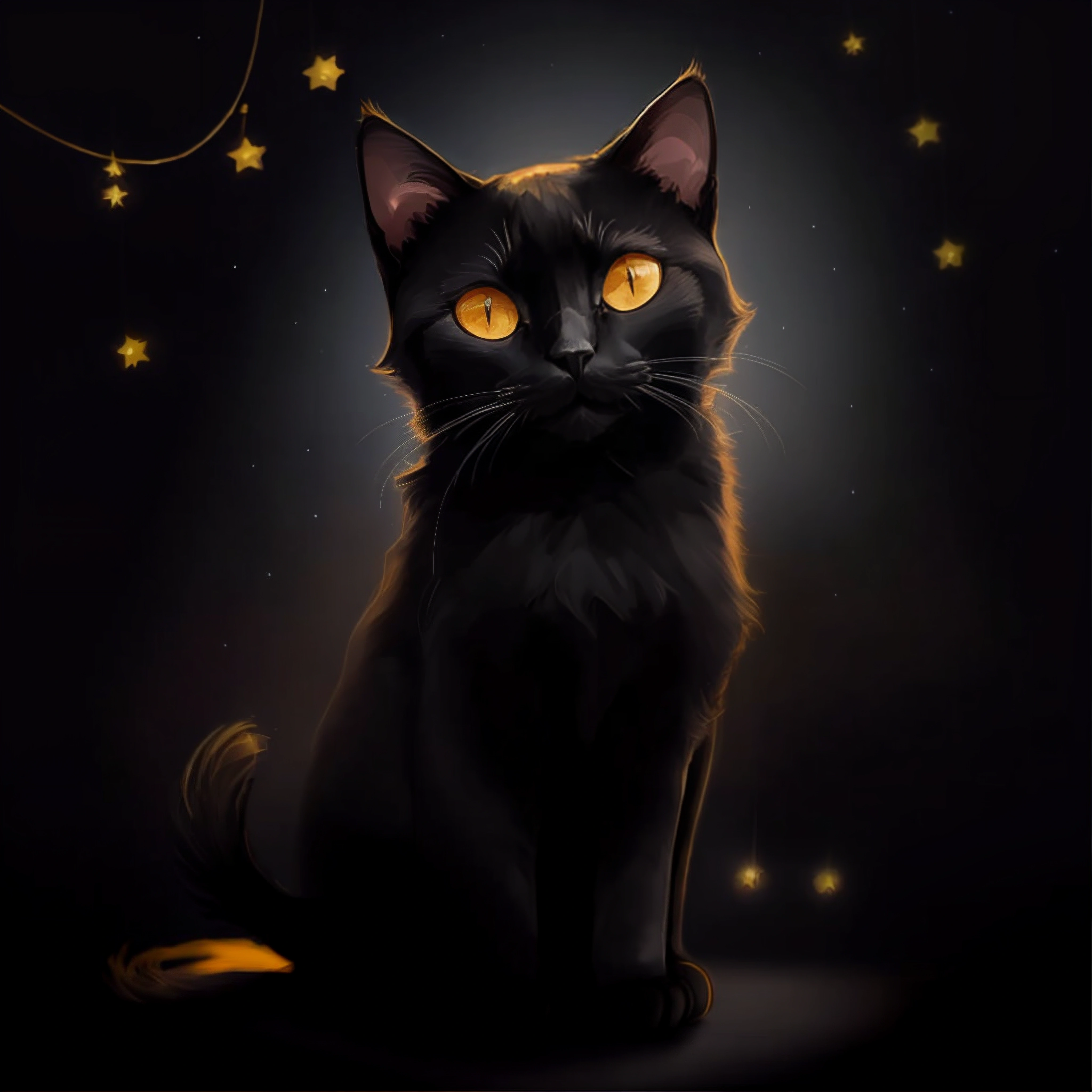
Eureka, a 5-year-old Bombay black cat from Riga, Latvia, loves to dance and adores freshly caught fish. While wandering Riga's streets, she meets Uncle Nate, seeking a birthday gift for his niece Eliza. Eureka decides to surprise Eliza in Chicago but must find a way there. From Tallinn, Estonia, she boards a fishing boat, trusting her nose. Awakening in Helsinki, Finland, she encounters a reindeer named Steve, vacationing from the North Pole. Eureka, convinced Steve knows the way, persuades him to go to Chicago via Berlin. In Berlin, they explore landmarks, decide to dance, but Steve, lacking black attire, can't enter. Eureka loses Steve but reunites with Uncle Nate. Gifted a flight to Chicago with fresh fish, Eureka arrives, greeting Eliza with a belated happy birthday and a Merry Christmas from Uncle Nate.

A story of a school librarian with a huge love for kids and books - based in New Zealand.

1.Mario, jose y maria son amigos en una clase de español 2. después de clase salen a cenar en una restaurante. 3. van a una cafetaria para tomar un cafe juntos animadamente.
Miss Ozlem, a beloved and quirky teacher, is adored by her students for her creativity and humor. Whether it's turning a trip into a dance, imitating kookaburras, wearing slippers to school, or teaching in a superhero costume, she always brings joy to any situation. Her fun and innovative spirit even caught the attention of Australia's Prime Minister, who invited her to be an honorary education advisor. Miss Ozlem’s unique approach to teaching and her ability to inspire make her the perfect candidate for Prime Minister, promising to spread creativity and laughter throughout the nation.

Hurricane season in Jamaican is for June the November every year. Hurricane Beryl barely hit Jamaica. Jamaica has fourteen parishes, Manchester, St. James, St. Thomas, Kingston and St. Andrew, St. Ann, St. Mary, St. Elizabeth, Trelawny, St. Catherine, Clarendon, Portland, Westmoreland and Hanover During hurricane season, Jamaica buys extra dry goods, such as breads Foska Oats, Brunswick Sardines, tin mackerels, salted cod fish and alot of water. Most Jamaicans didnt think the storm was going to touch Jamaica. The rains started and the people especially those that did not prepare. The storm barely touched Jamaica. however the paishes and Manchester, St. Elizabeth and Clarendon were hit by the storm. alot of light posts went down. houses lost roofs. Bananas and plantines were the hardest hit

كان يا مكان كان يعيش ثلاث اخوه فتاة كبيره وأخوين صبيان واتى والديهما بأخت صغيره جديده والكل مسرور
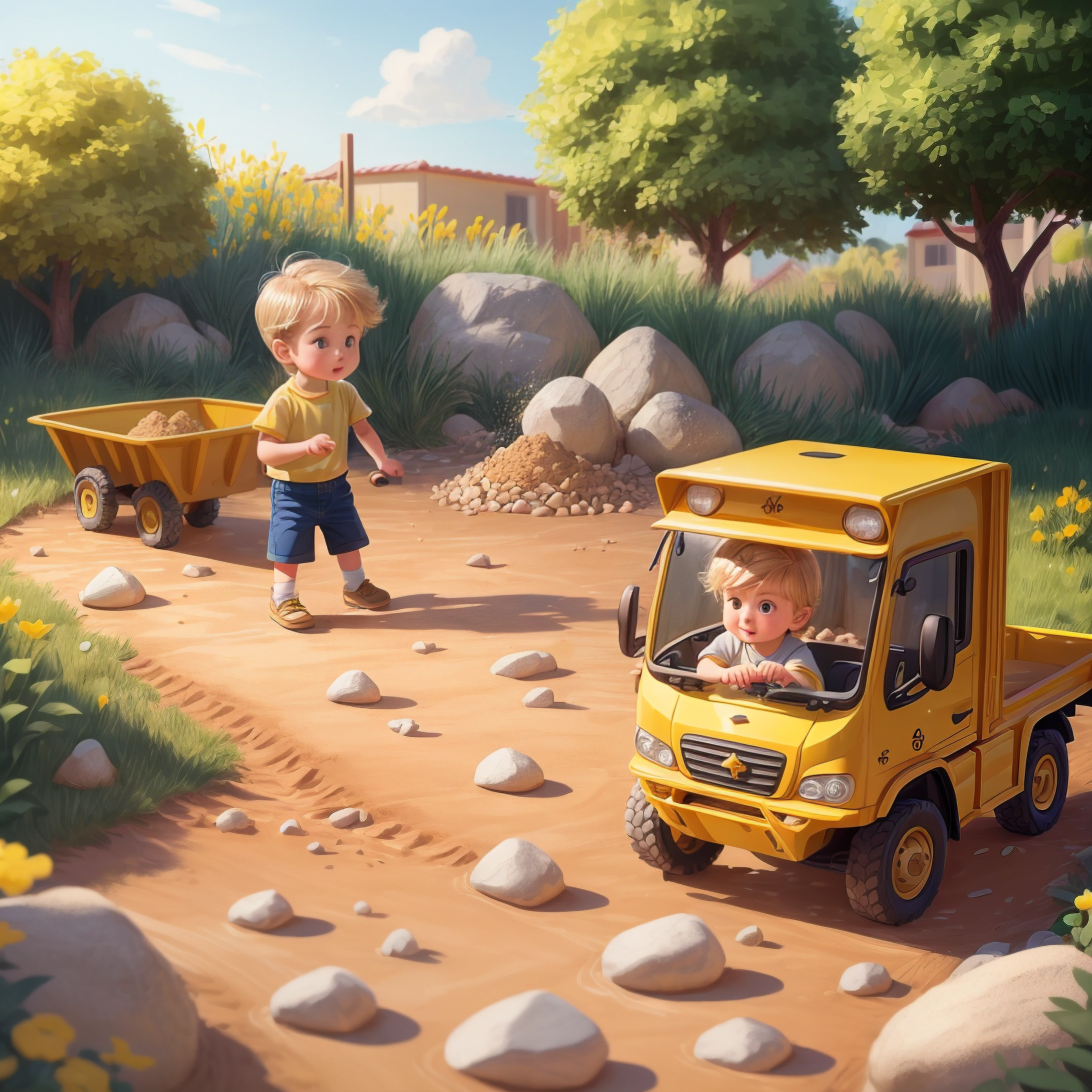
A busy day playing with construction trucks when suddenly real ones show up.
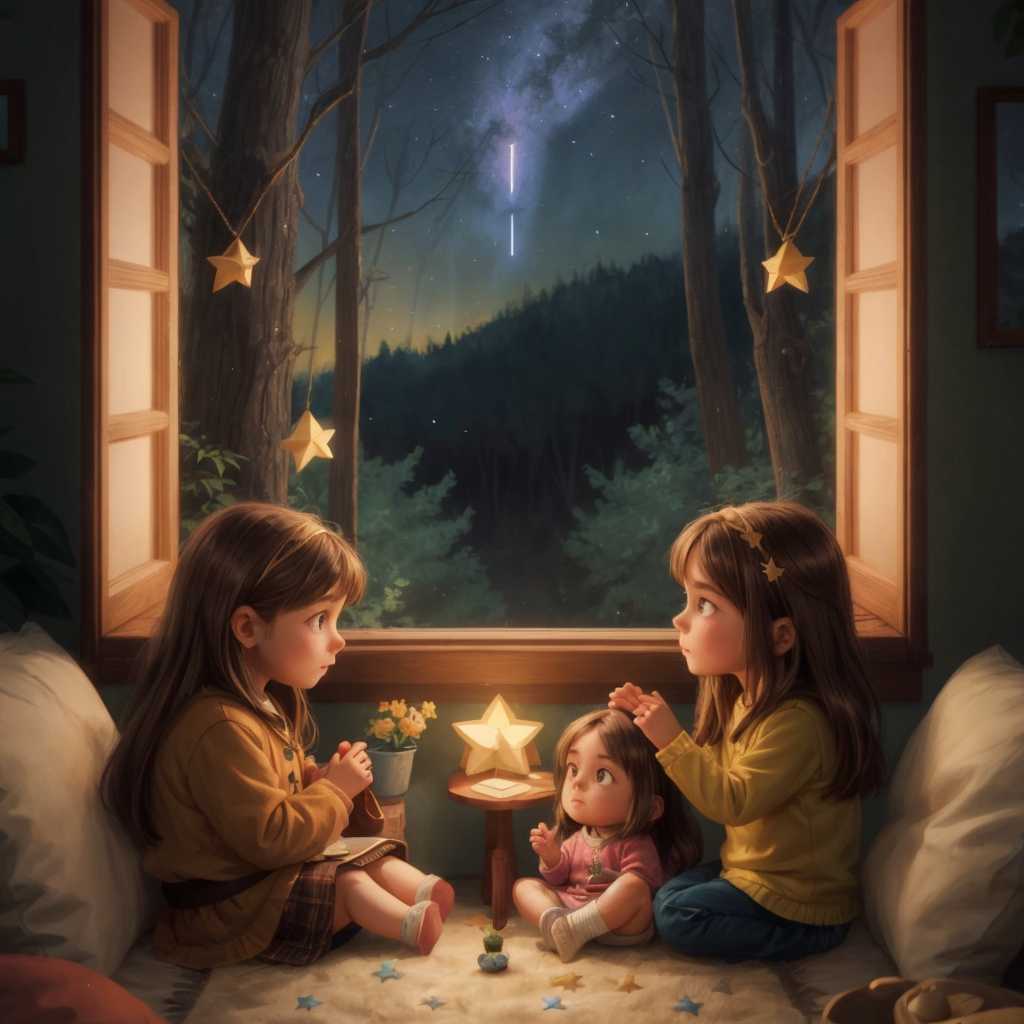
A mother tells a story of all the ways she loves her daughters

in a bustling Target store, there was a pen named Parker Parker lived on a shelf in the stationery aisle, surrounded by pens of all colors and types Parker felt trapped in his inky existence and longed for the freedom of a pencil's life, the ability to rewrite his story and start anew. Parker and his friends devised a plan, to create a makeshift pencil costume. With a rolled-up piece of paper for a body, a sharpened tip made of graphite, and an eraser hat, Parker reflected on his journey, he had been so focused on becoming a pencil that he hadn't appreciated the value of his true self. Parker became a symbol of embracing one's identity and celebrating the uniqueness in everyone.
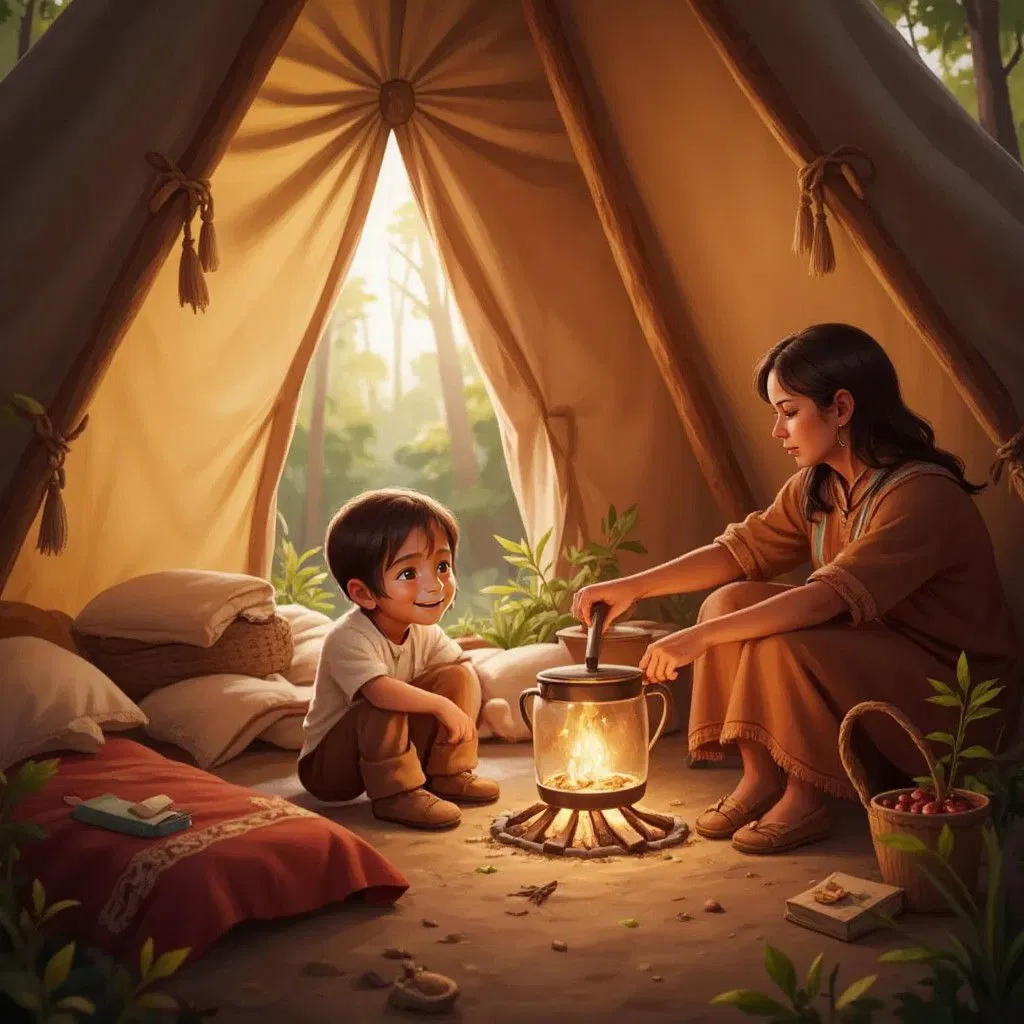
A childrens book about a young Lakota Sioux Native American boy named Deacon. This story takes you through the daily things that Lakota Sioux do each day. Sioux means "little snakes" and Deacon is a proud member of the snake house. Lakota are known for their warrior culture and their Ghost Dance to protect their lands. Lakota Sioux manly hunt and eat buffalo. They would eat chokecherries and enjoy herbal tea. They use the buffalo skin to make blankets and teepees and moccasins for their feet. They live in "Tipis" the Sioux word for dwelling. The Lakota Sioux live in North America clustered in what is now Wisconsin, Minnesota and North and South Dakota or the Great Plains. Lakota Sioux were known for their beadwork and porcupine quillwork. Lakota Sioux would use canoes to travel and dogs/sleds to pull things. When horses were introduced to them it changed their culture. Long hair is important to the Lakota Sioux and should not be cut unless you are mourning the loss of a loved one. Lakota children played with rawhide dolls and throwing the willow spear. It is important to pass on the Lakota traditions and remember their 7 values of respect, compassion, honesty, generosity, wisdom, humility, and prayer.
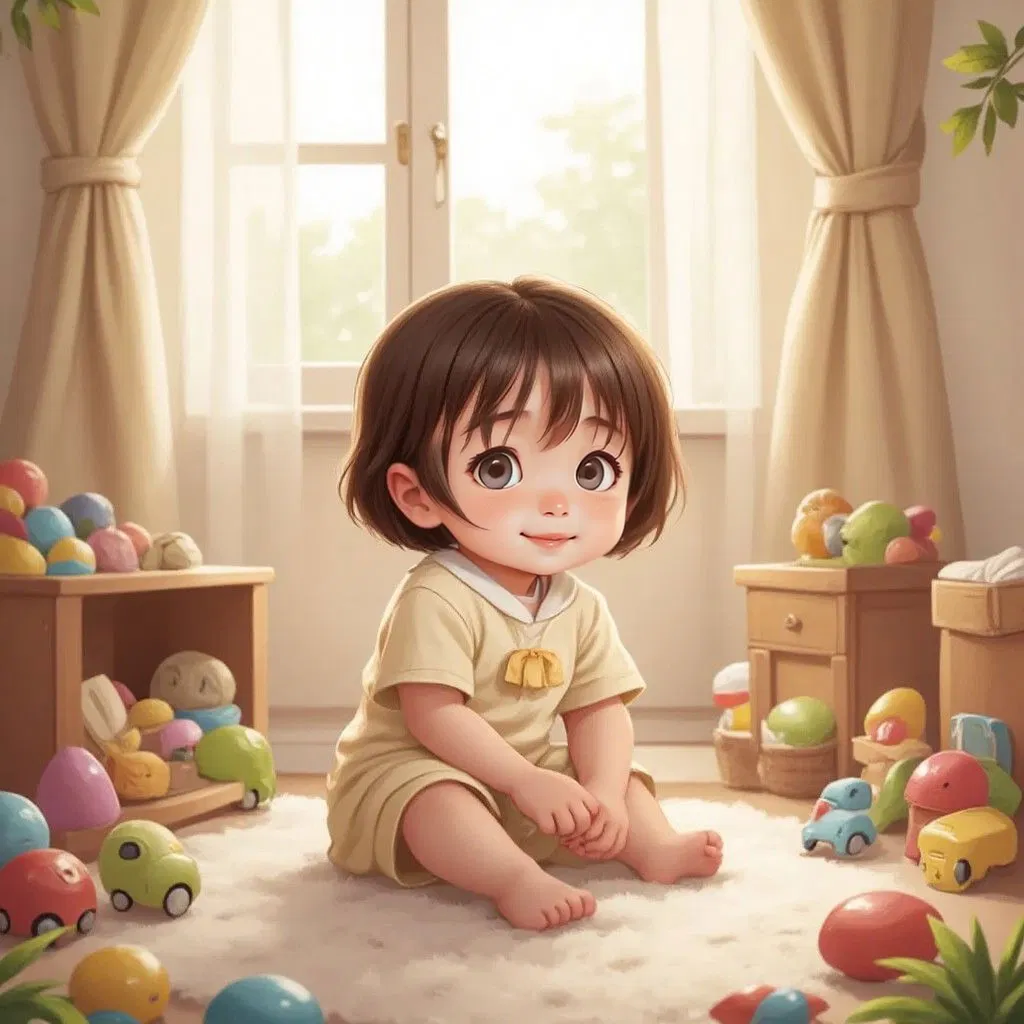
A playful and curious 2 years old girl

Harvey is introduced to new philosopher by Mr. Smith. His name is Friedrich Nietzsche and he was one of the most influential German classical scholar of the 18th century. Mr. Smith told Harvey that Nietzsche was the youngest person as chair of Classical Philology at the University of Basel in Switzerland in 1869, at the age of 24. Harvey was so impressed and amazed. Mr. Smith continues to explain Friedrich Nietzsche's main philosophical concept which is based on two figures in ancient Greek mythology Apollo and Dionysus. Mr. Smith also said that Nietzsche found in classical Athenian tragedy an art form that transcended the pessimism found in the so-called wisdom of Silenus. The Greek spectators, by looking into the abyss of human suffering depicted by characters on stage, passionately and joyously affirmed life, finding it worth living. The main theme in The Birth of Tragedy is that the fusion of Dionysian and Apollonian Kunsttriebe ("artistic impulses") forms dramatic arts or tragedies. He argued that this fusion has not been achieved since the ancient Greek tragedians. Apollo represents harmony, progress, clarity, logic and the principle of individuation, whereas Dionysus represents disorder, intoxication, emotion, ecstasy and unity (hence the omission of the principle of individuation). Nietzsche used these two forces because, for him, the world of mind and order on one side, and passion and chaos on the other, formed principles that were fundamental to the Greek culture: the Apollonian a dreaming state, full of illusions; and Dionysian a state of intoxication, representing the liberations of instinct and dissolution of boundaries. In this mould, a man appears as the satyr. Harvey felt so empowered and understood what Nietzsche meant; life is full of suffering and chaos and hard work and that's where we should find enjoyment and happiness by valuing what is most worth to us.

Jorge Learns About Giving. Jorge learns the fun and value of giving and not just receiving.

Write a beautiful, touching story about the magical power of a smile and laughter that we can give to another person. Emma met various people who were sad and to whom she gave her smile and made them smile.